Signs It Is Time for a Door Knob Lock Replacement
A door knob lock rarely fails all at once. More often, the warning signs build gradually: the knob feels loose or wobbly, the latch bolt no longer retracts smoothly, the key requires extra force to turn, or the lock cylinder has visible rust or corrosion. In older Piscataway homes — particularly the mid-century ranches and split-levels common along Centennial Avenue — original hardware can be decades old, and the internal springs, tumblers, and cam mechanisms simply wear out. Ignoring these signs puts your door in a state where it might not lock at all, or worse, where it locks and traps you inside or outside without warning.
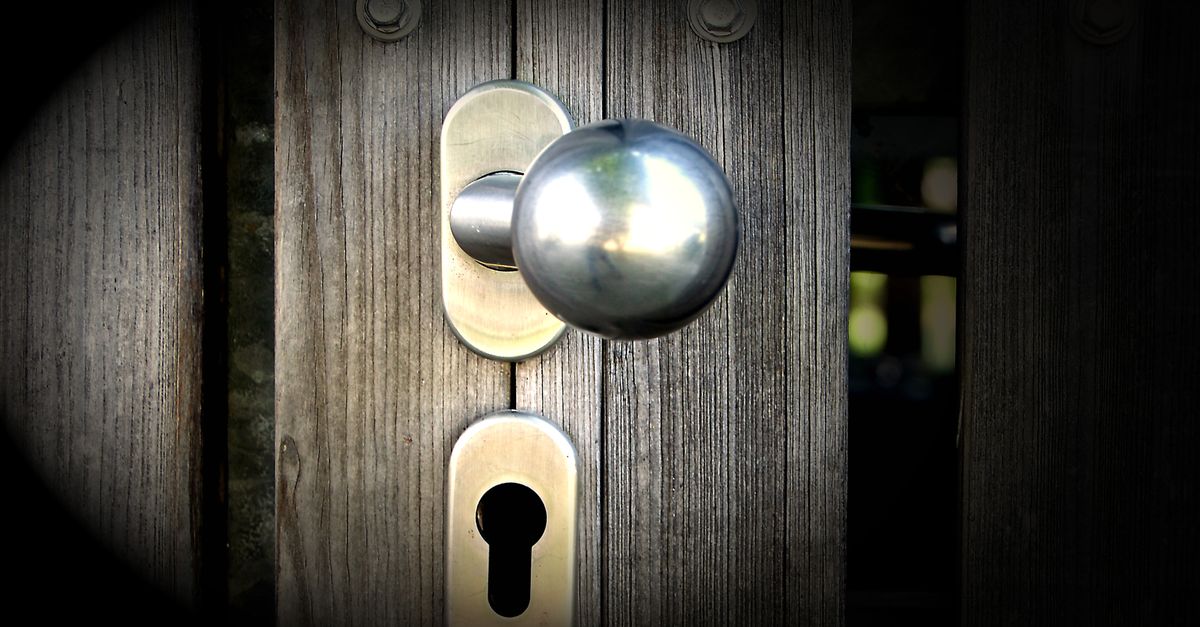
Exterior knob locks that have been exposed to New Jersey winters face additional stress from freeze-thaw cycles and road salt carried in on shoes. If your exterior door knob with lock and key shows signs of keyway corrosion or the plug turns stiffly even with a freshly cut key, the cylinder is likely compromised internally. A replacement — not just a lubrication — is the correct solution. Our technicians inspect the full assembly, including the strike plate and door frame alignment, before recommending whether a direct swap or a more robust upgrade such as a mortise lock installation is the better long-term answer.