Why Keys Snap — and What Breaks Inside a Mortise Lock or Door Knob Lock
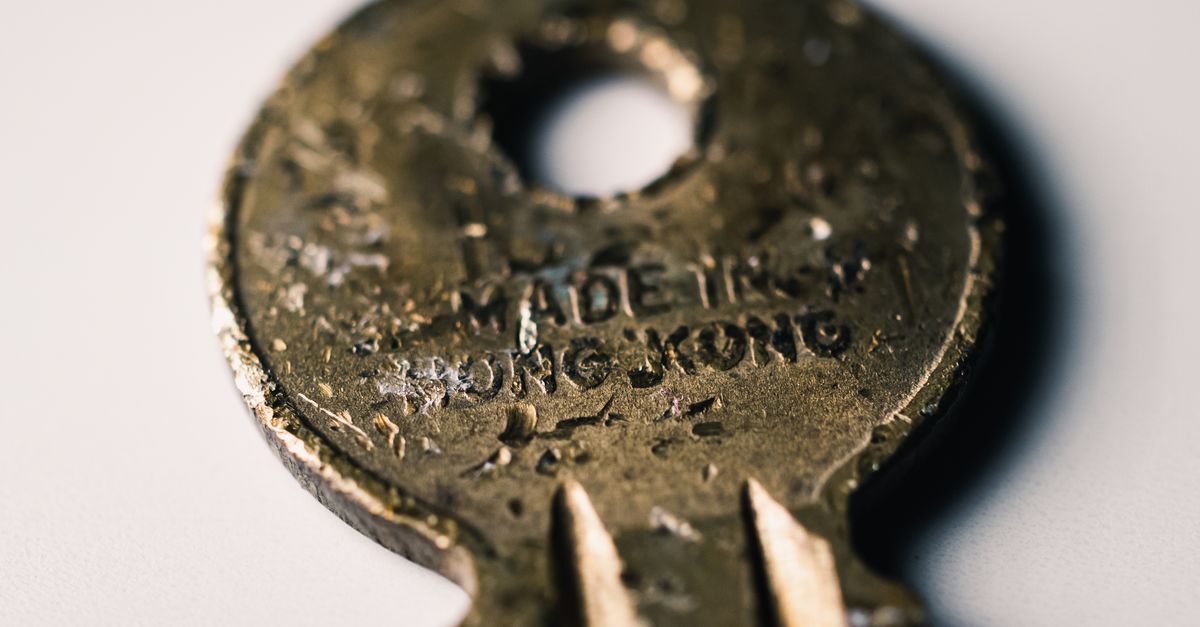
Keys fail for predictable reasons, and understanding them helps prevent the next break. Brass key blanks thin out over years of use, especially along the bow and shoulder where stress concentrates every time the key is turned. A lock cylinder that has not been lubricated in months — or years — forces the user to apply extra torque, accelerating metal fatigue. Mortise locks, which are common in older multi-family buildings and commercial storefronts throughout Piscataway, have longer cylinders than a typical door knob lock, meaning a snapped key can travel deeper into the barrel and become harder to grip. Transponder car keys present their own challenge: the plastic head often breaks away from the metal blade, leaving the blade inside the ignition or door lock.
The fragment left behind is rarely sitting conveniently at the mouth of the keyway. It rotates with the plug, wedges against the pins, and occasionally binds so tightly that amateur removal attempts — using tweezers, bobby pins, or superglue on a spare key — push the piece deeper or damage the pin stacks above it. Our technicians use purpose-built extraction tools calibrated to common keyway profiles, including those found on Schlage, Kwikset, and Medeco cylinders, so the fragment comes out with minimal disruption to the lock's internal components.